
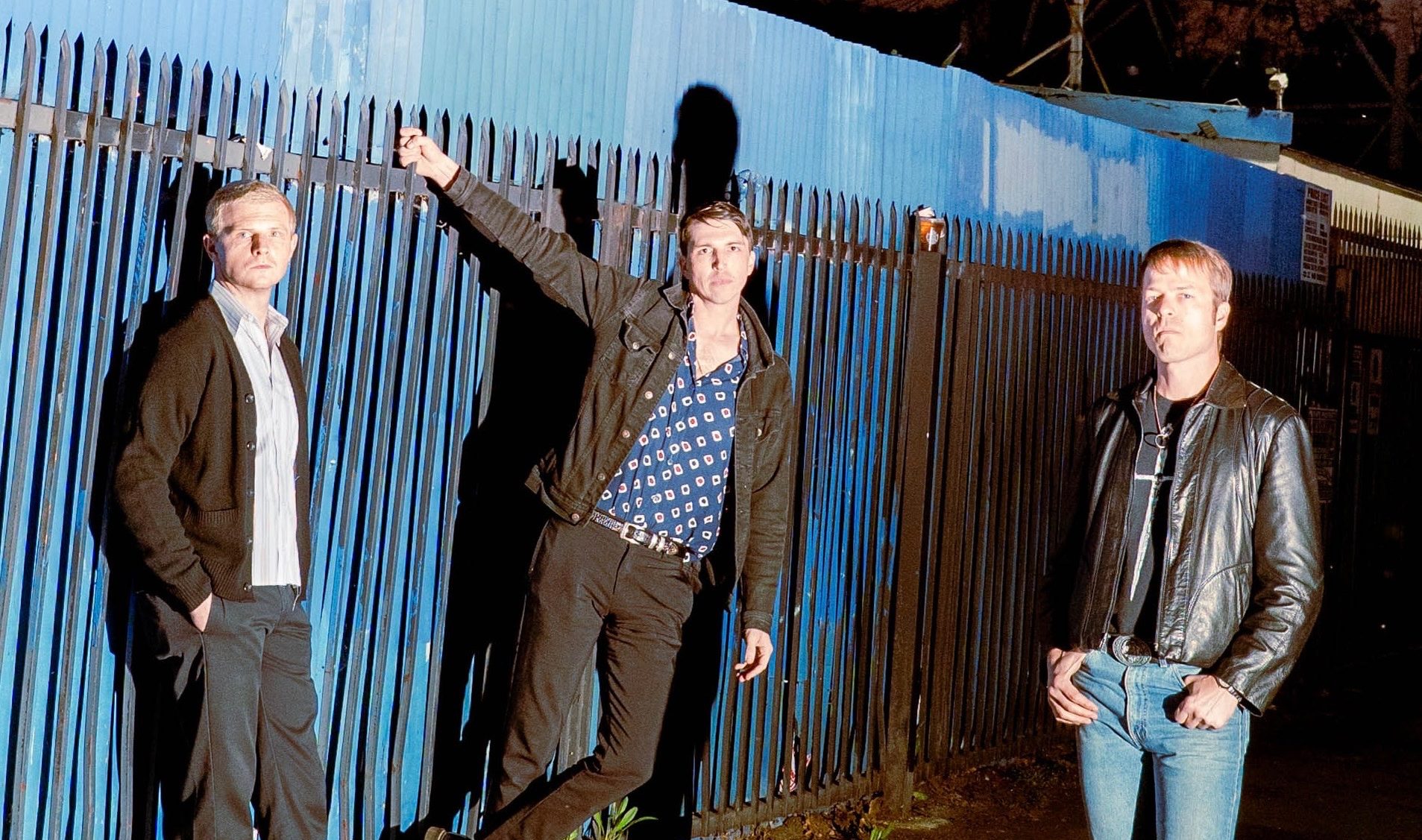
Pictures by Vicious Velma and Kevin Allen
With Follow Through, Bad Sports are back where they belong: making noise, writing songs and refusing to sit still.
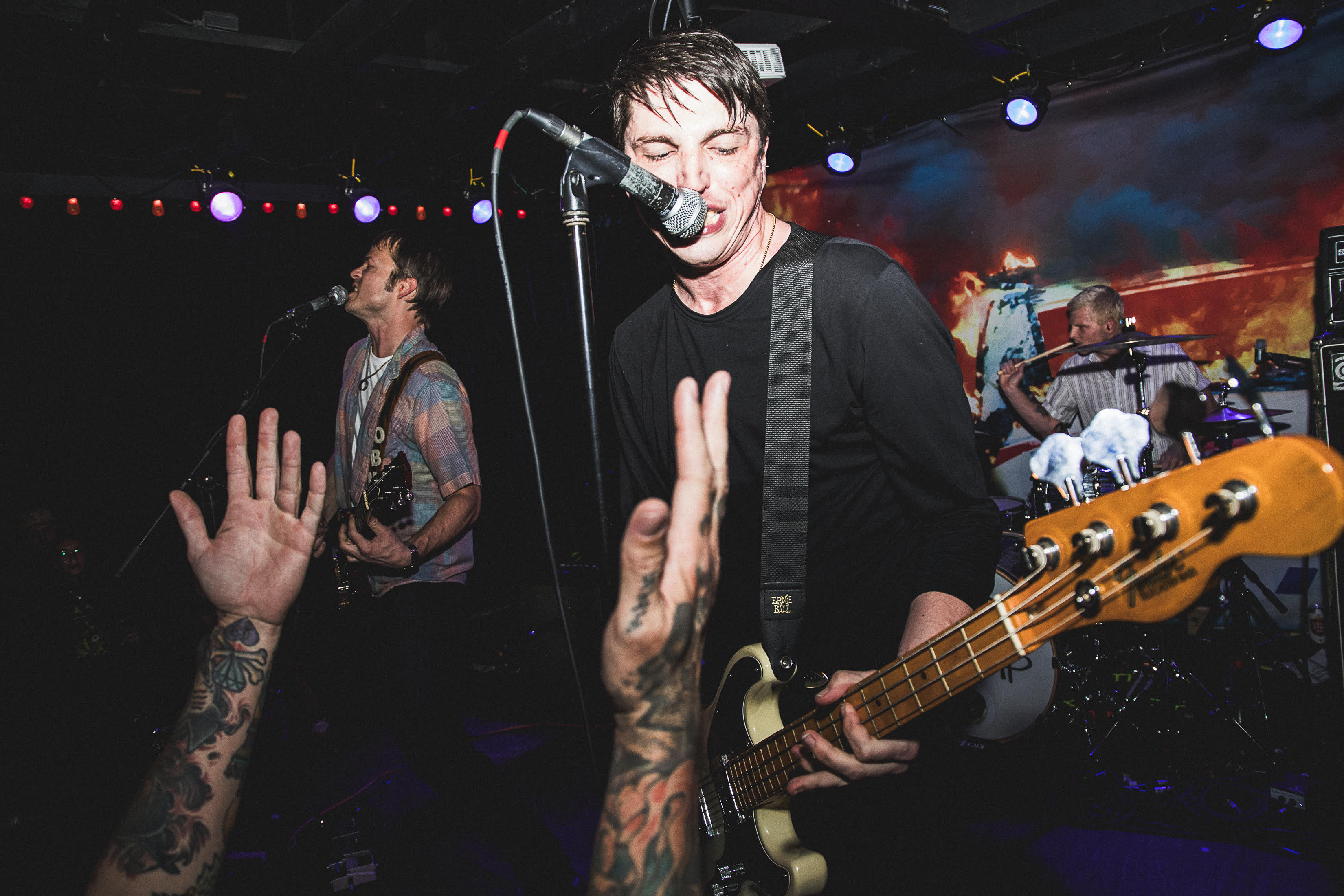
Some bands disappear. Some bands simply take a detour. And then there are bands like Bad Sports, who seem to exist in a permanent state of motion, even when the world around them tells them to stop.
Born in Denton, Texas in 2007, Bad Sports came out of a musical community where punk, garage rock, power pop and weird left turns could all exist in the same room. Nearly two decades later, the band still operate according to that same instinct. There is no great reinvention story here, no carefully engineered comeback narrative. Instead, there are songs, shows, records, friendships and a stubborn refusal to let the machinery stop.
On September 29th, Bad Sports release Follow Through, their new EP and, perhaps more importantly, their first record released on their own. For a band that has been around for almost twenty years, that distinction matters. “Putting out our own record for the first time is a highlight of this year,” Orville admits. “This is something we probably should have and COULD have done a long time ago, but here we are.” And that final phrase – but here we are – feels like the perfect summary of Bad Sports in 2026.
The band’s story began in Denton, where Orville and Daniel met at the University of North Texas in 2004. They were living in the dorms, going to punk shows and slowly becoming part of the local scene. Payton Green helped introduce them, while John Hodge would eventually enter the story years later.
The formation of Bad Sports itself sounds less like a carefully planned musical project and more like something that happened because the right people were in the same room at the right time. In October 2007, Orville and Daniel were throwing band names back and forth at a house show called XDM, Extreme Dudes Manor, while music was blasting around them.
Daniel suggested “Bad Trash”, inspired by the Hubble Bubble song “Bad Trashing”. Orville countered with “Bad Sports”. The name stuck. Later that night, they were at another party – coincidentally Greg’s birthday – and suddenly the band had both a name and a drummer. “That was October 31st, 2007,” Orville recalls. “As for the name itself, there wasn’t much thought to it, but it sounded like the sort of name we could get away with.”
The band have never sounded particularly interested in following a formula dictated by whatever happens to be fashionable. Their influences are broad, but the instinct remains brutally simple: make rock and roll that feels alive.
When Bad Sports started, the reference points were obvious. The Ramones, Buzzcocks and Vibrators sat alongside the rougher end of 1990s garage and budget rock — Supercharger, The Rip Offs, Teengenerate and The Donnas. Compilations such as Killed By Death and Bloodstains were important, as were 1960s garage records and bands such as The Sonics, The 13th Floor Elevators, The Stooges and MC5. But Orville’s musical education was never confined to punk.
Classic rock and heavy metal played a huge role. AC/DC, Black Sabbath, Motörhead, Judas Priest, Led Zeppelin, ZZ Top and Kiss all make the list, alongside The Kinks, The Beatles, Creedence Clearwater Revival and The Pretty Things. Then university opened another door, introducing him to Wire, Pentagram, Neu!, Kraftwerk, Hawkwind, blues, soul and jazz. “I even worked at the university radio station for a few months,” he explains, “which was a jazz only station, just to learn a little bit about jazz, which I learned to love.”
For John, discovering jazz had a similar impact. Growing up in Denton, he had already absorbed the enormous sound of 1970s rock – Boston, ZZ Top, Queen, AC/DC and Black Sabbath – but jazz drummers and the possibilities of rhythm opened up another world.
Krautrock became another major revelation. “Bands like Neu! and CAN have impeccable drummers and the ideas behind their music, style, approach and attitude,” John says. “It was very striking and inspiring to me and still very much is.”
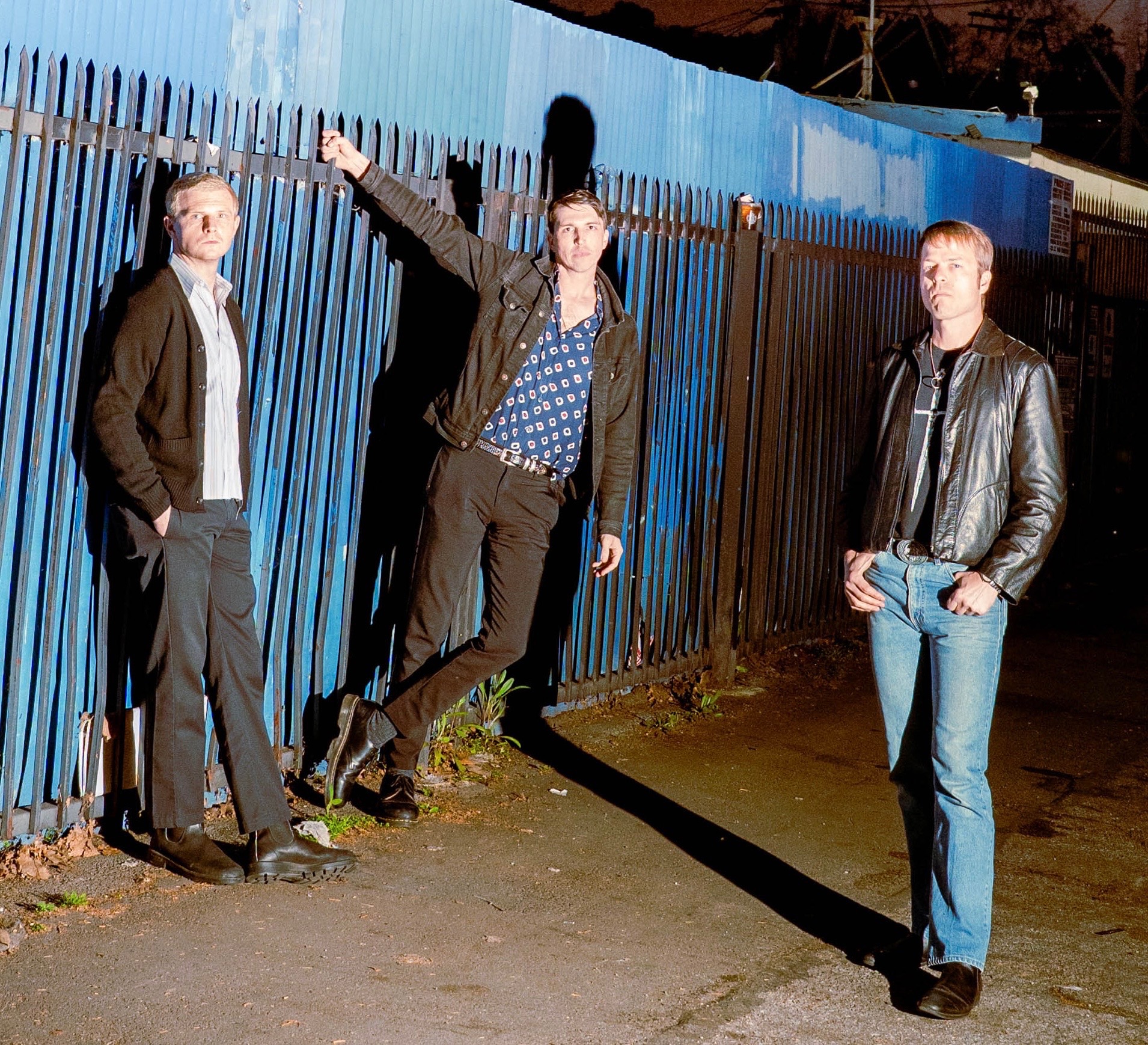
That collision of influences is important to understanding Bad Sports. Calling them a garage rock band is not necessarily wrong, but it doesn’t tell the whole story. There is punk urgency, power-pop melody, classic-rock muscle, garage filth and enough left-field influence to keep the whole thing from becoming predictable.
As Orville puts it simply: “To me it’s all rock and roll. I just like to rock.”
That philosophy carries directly into the songwriting.
Orville has been the band’s songwriting engine from the beginning, describing himself as writing “out of compulsion”. Before Bad Sports even existed, he was making demos on a cassette four-track, with early songs such as “No Rest For The Wicked” and “All The Time” eventually appearing in new versions on the band’s first two 7-inches.
But despite his enormous output, Bad Sports have never been a one-person operation. The process usually begins with Orville or Daniel creating demos independently before bringing them into the room. Sometimes the songs arrive almost complete. Sometimes they’re barely sketches. A riff, a lyric or a melody might be enough to get things moving.
“You gotta start somewhere,” Orville says.
The real magic happens when those ideas collide with the rest of the band. “Sometimes, we write songs in the moment together when a riff, lyric, or melody falls out of the sky,” he explains.
Distance has made that process more complicated in recent years. Orville now lives in Los Angeles, while Daniel is in Austin and John is also based in Los Angeles. But earlier this year, Orville spent ten days in Austin specifically to write with Daniel in the same room again. The difference was immediate. “The spontaneity of bouncing ideas off another person in real time is always preferable to texting or emailing ideas back and forth,” Orville says. “There’s magic in the real world in real time.”
Daniel sees the dynamic slightly differently. While Orville’s songwriting output is relentless, Daniel brings another kind of discipline to the process. “He can usually write 5 fully written and conceived songs to my one half-assed idea,” Daniel says.
But once those ideas enter the rehearsal room, the division of labour becomes less important. Songs change, arrangements develop and everyone leaves their fingerprints on the final version. “I tend to simplify things, and Orville is good about taking a simple idea and making it sound fancier than it is,” Daniel explains. “Now with John on drums, we just let him play and do what he wants and we’re all the better for it.”
That chemistry is central to Follow Through.
The new EP arrives after a period in which the band, like so many others, were forced to navigate a radically disrupted world. The pandemic scattered them onto different paths, and although years have passed since those initial disruptions, Orville says its effects lingered. “I know that was six years ago, but it kinda put us all on different paths for awhile.” Now, however, the band are moving again.
They played five shows earlier in 2026 while touring with Spiritual Cramp, something Orville particularly enjoyed because he was able to perform double duty. More importantly, Bad Sports have started playing shows again, writing again and building momentum. Follow Through is the tangible result.
The video for the title track captures the band’s personality rather than attempting to polish it into something it isn’t. Daniel wanted the visual to reflect the atmosphere of the EP cover while allowing the band’s character to take centre stage. “We just set up the cameras on a tripod in wide, and went for it,” he says. “Not much direction needed. We just let the song dictate our actions.”
There was, however, one unexpected problem. They weren’t particularly interested in pretending to play their instruments for the camera. “So that raised the question: ‘What do we do with our hands when we don’t have to play?’” Daniel says. It is a very Bad Sports problem to have.
During those ten days in Austin, the band filmed around the city, finding locations that looked interesting and essentially improvising their way through the shoot. Orville later filmed additional material with John in Los Angeles. There is something fitting about that approach. The band aren’t trying to manufacture a mythology around themselves. They are simply documenting where they are now. And where they are now is somewhere surprisingly exciting.
Because while Follow Through is the immediate release, Bad Sports are already looking beyond it. According to Orville, most of the material for their next full-length album has already been written. “This new EP is excellent,” he says, “but I’m even more excited for the songs we’ve got lined up for the next album.” That statement changes the perspective on Follow Through. It sounds more like the first marker of a new phase.
The band are also looking towards Europe in 2027, with conversations already underway with Franz at Otis Tours, who also book Radioactivity. There are ambitions for North American touring too, along with anywhere else willing to have them. The logistics won’t be easy. Everyone has other bands and commitments. Orville remains active with Spiritual Cramp and Radioactivity, while Daniel and John have their own projects.
“It’s complicated,” Orville admits. But complicated has never been much of an excuse for Bad Sports.
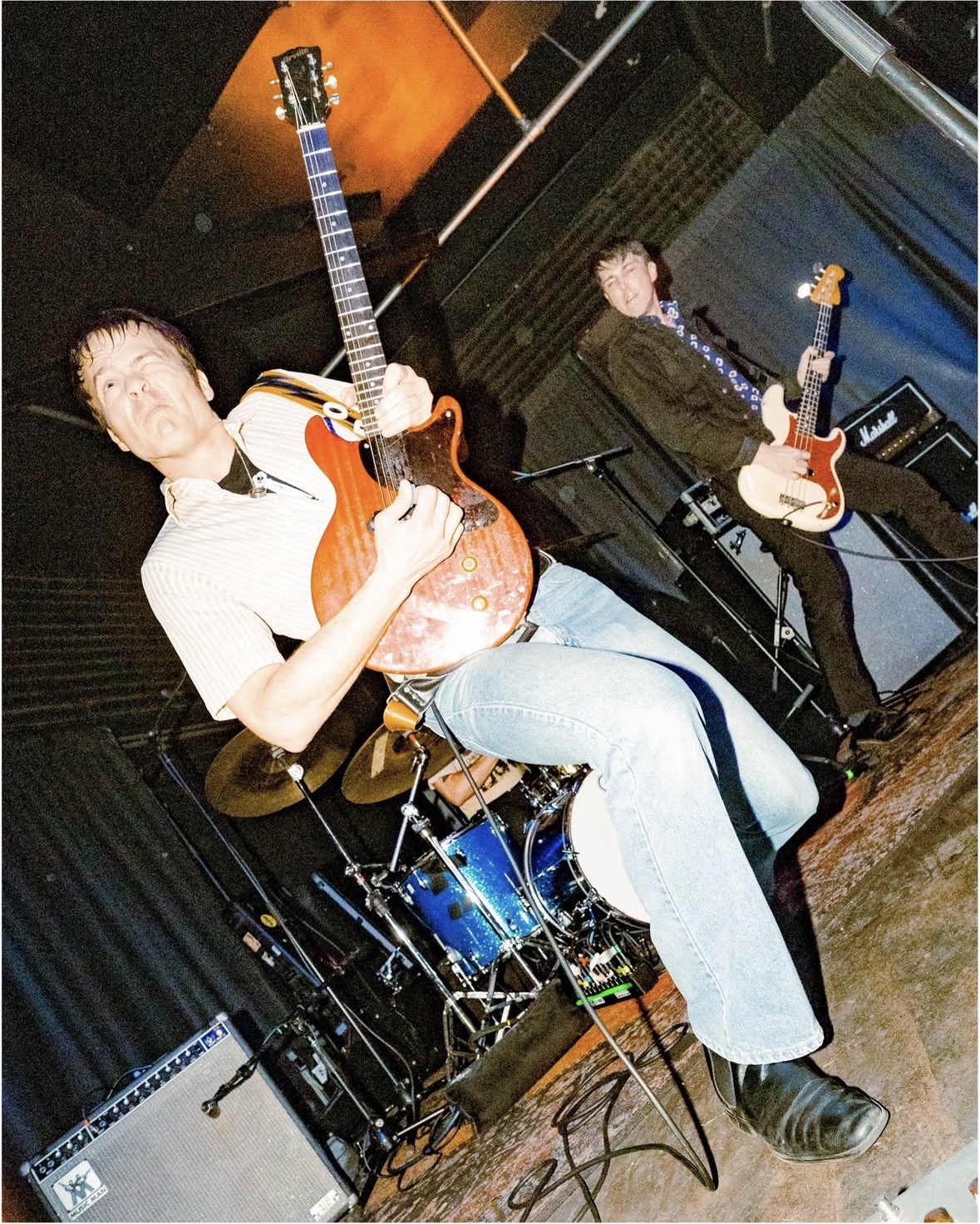
Their history is built on musicians being in multiple bands, playing different instruments, touring with different projects and constantly finding new ways to make something happen. Their collective musical résumé stretches through Radioactivity, Lost Balloons, Memo PST, Spiritual Cramp, TV’s Daniel, Mind Spiders, Smirk, A Giant Dog, OBN III’s and numerous other projects.
The connection to their original Denton scene remains important, even though none of them live there anymore. Austin has become another home, while Los Angeles offers an enormous and constantly shifting musical ecosystem.
John describes the LA scene as “vast and never sleepy”, while Orville points to bands such as Self Improvement, Begging Dog, Gamma World, Hot Load and Situations as part of the city’s current musical landscape. John also highlights CRV, while both musicians point towards the projects surrounding Jeff Kleinman and Marvin as worth investigating.
That community matters because Bad Sports have never existed in isolation. Their music comes from scenes, record collections, house shows, cheap rehearsals, friendships and musicians constantly crossing paths.It is perhaps why Orville’s final message is less about Bad Sports than it is about the wider ecosystem that keeps bands like this alive. “Go support your local scene on a regular basis,” he says. And adds, “Yeah, fuck the fascists. VOTE. Especially in local elections. Stand up for yourself.Take care of yourselves, your loved ones, and the vulnerable people in your community.”
Almost twenty years after two musicians met in a university dorm and started going to punk shows together, Bad Sports are still here. Still writing. Still playing. Still discussing about songs. Still putting records out. Still looking for the next show.
Bad Sports’ Follow Through EP is out September 29th.

