

Scroll down para el articulo en español! 🙂
There are bands that spend years searching for an identity, and then there are bands like Cora Yako, whose latest album, Mil Pequeños Cortes (“A Thousand Little Cuts”), feels like the culmination of a friendship and musical vision that has been growing for years.
Formed by Carlos Senacheribbo and Luis de Oleza, the band’s story began long before they ever stepped onto a stage. The pair met as children while attending school in Mallorca, where they first picked up guitars and started imagining what it would be like to have a band of their own. Years later, after both had moved to Madrid, they met the musicians who would complete the live line-up: Dani Treviño, Pablo Fernández, and Igo San Martín, and Cora Yako officially came to life.
The band’s unusual name comes from the play Prohibido Suicidarse en Primavera (Forbidden to Commit Suicide in Spring), where Cora Yako is a Japanese opera singer attempting to revive her career. It’s an unexpected literary reference that reflects the group’s appreciation for storytelling as much as melody.
Interestingly, Cora Yako is the members’ very first band, but listening to their music, you wouldn’t necessarily guess it. Their songwriting feels remarkably natural, largely because they refuse to follow a strict formula. Songs can begin with an instrumental, with a lyric, or even emerge organically during rehearsals with the full band. For Carlos and Luis, every composition finds its own path.
That creative freedom is evident throughout Mil Pequeños Cortes, an album the band describes as the record that best represents who they are today. The collection balances direct, emotionally honest lyrics with love songs, shimmering guitar-driven arrangements inspired by the rock revival of the 2000s, and an unmistakable pop sensibility. The result is an album that feels both nostalgic and refreshingly current.
Their list of influences is as eclectic as their sound. The angular energy of Bloc Party, the swagger of The Strokes, the intensity of Arctic Monkeys, and the emotional depth of The Smashing Pumpkins all leave their mark. Beyond indie rock, the band also draws inspiration from Andrés Calamaro, commercial pop from the early 2000s, and even a touch of 1980s thrash metal—proof that good songwriting often thrives on unlikely combinations.
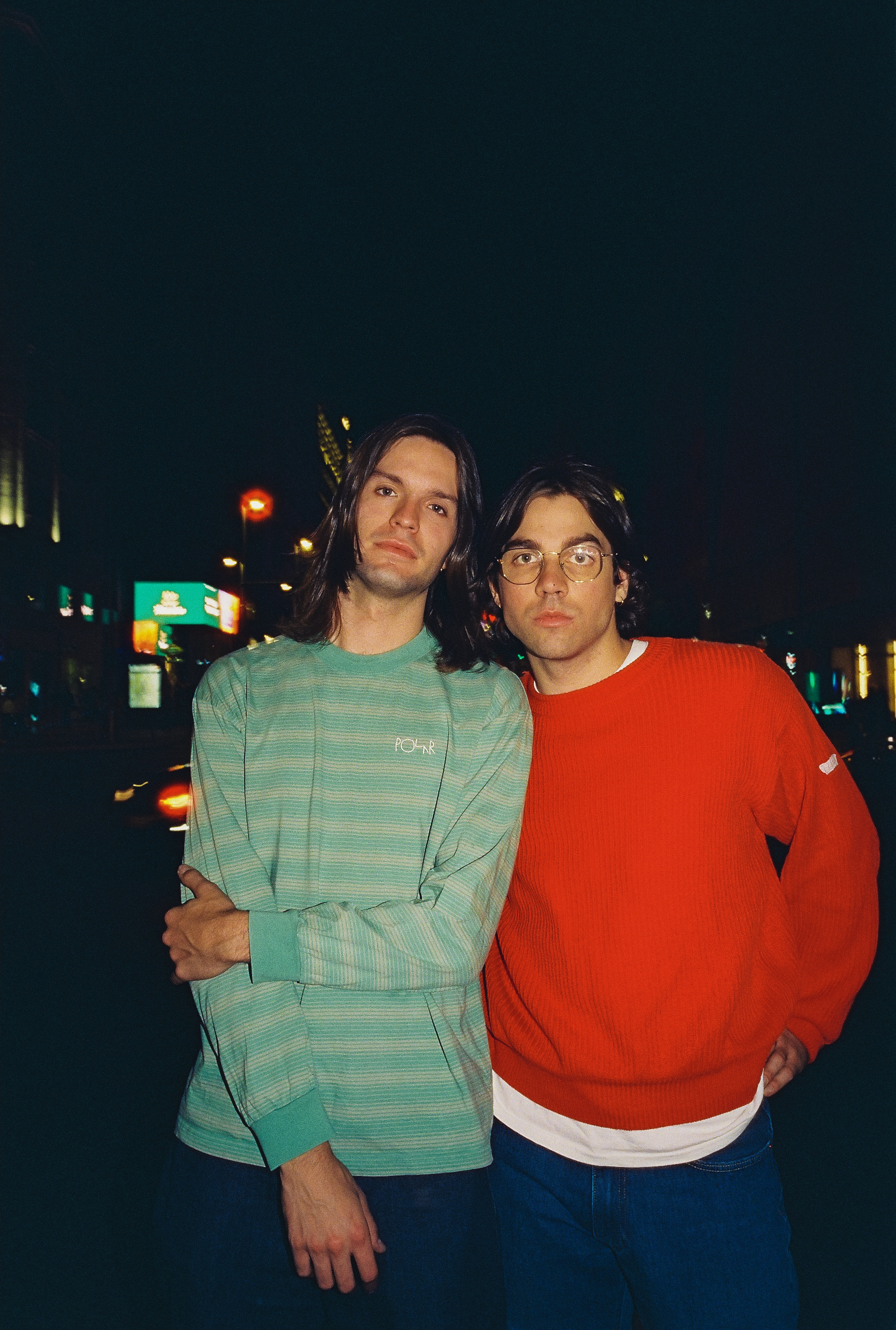
One of the defining moments of 2026 came on March 27, when the band played Madrid’s iconic Teatro Eslava. Surprisingly, what made the night unforgettable wasn’t the size of the crowd but something much more meaningful: hearing every voice in the room singing every song back to them. For the band, it remains the greatest concert they’ve played to date.
Looking ahead, Cora Yako has no intention of slowing down. They’ll spend the rest of 2026—and likely much of 2027—touring across Spain while continuing to write new material. It’s a straightforward philosophy: keep playing, keep writing, and let the songs speak for themselves.
Although their roots stretch from Mallorca to Madrid and Granada, the band considers Madrid’s vibrant guitar scene an important part of its identity. With countless live shows taking place every week, the Spanish capital remains a fertile ground for emerging artists, even if opportunities become scarcer outside major cities. Despite those challenges, Cora Yako believes there is genuine support from audiences, brands, and, occasionally, public institutions.
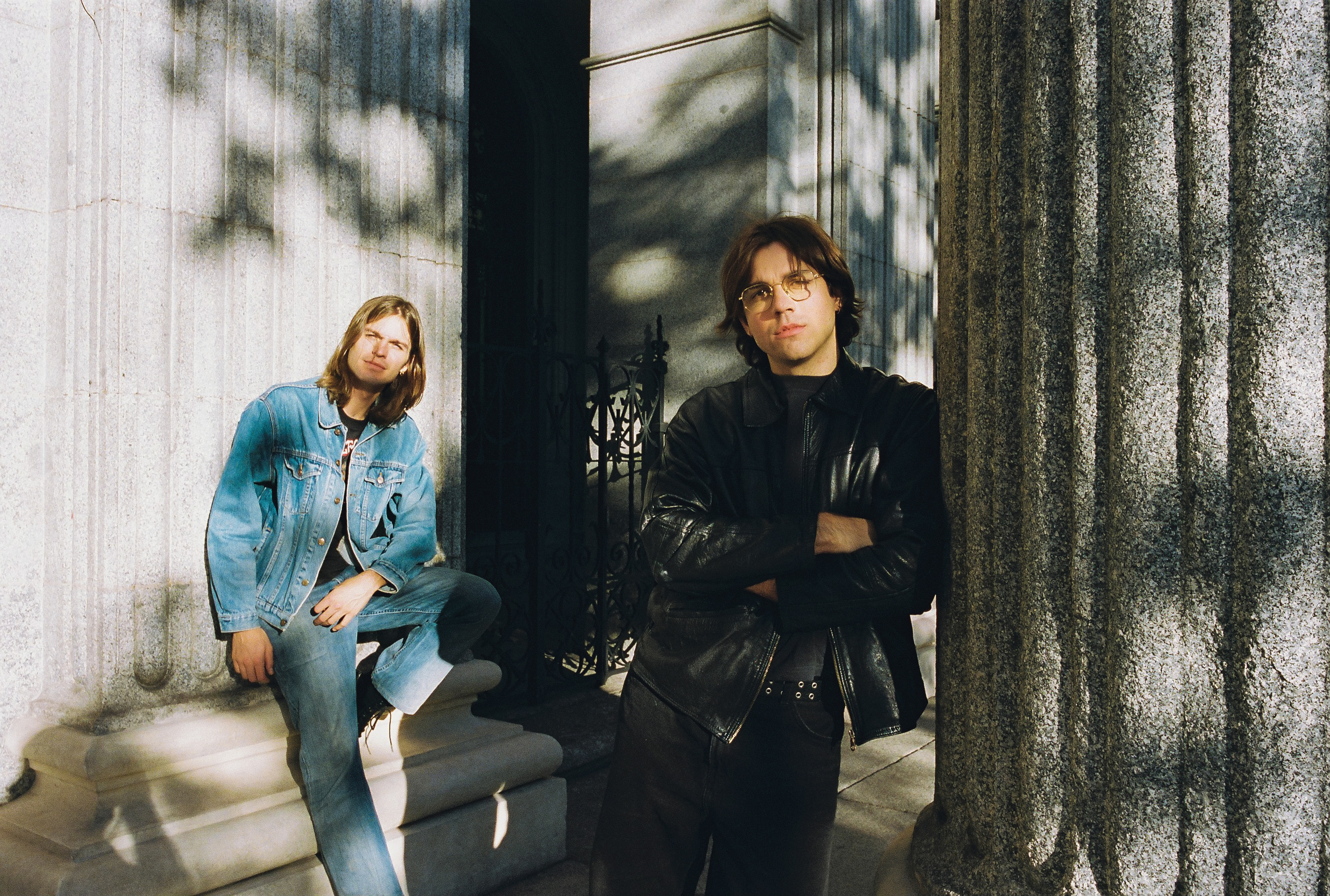
When asked to spotlight artists from today’s Spanish scene, they don’t hesitate to recommend Diamante Negro and Nepal Nepal, two bands that, like Cora Yako, are helping shape the next generation of Spanish alternative music.
With Mil Pequeños Cortes, Cora Yako have delivered an album that captures the excitement, vulnerability, and ambition of a band finding its stride. If their unforgettable Madrid performance is any indication, this is only the beginning of a much bigger story.
Cora Yako: Mil pequeños cortes que dejan huella
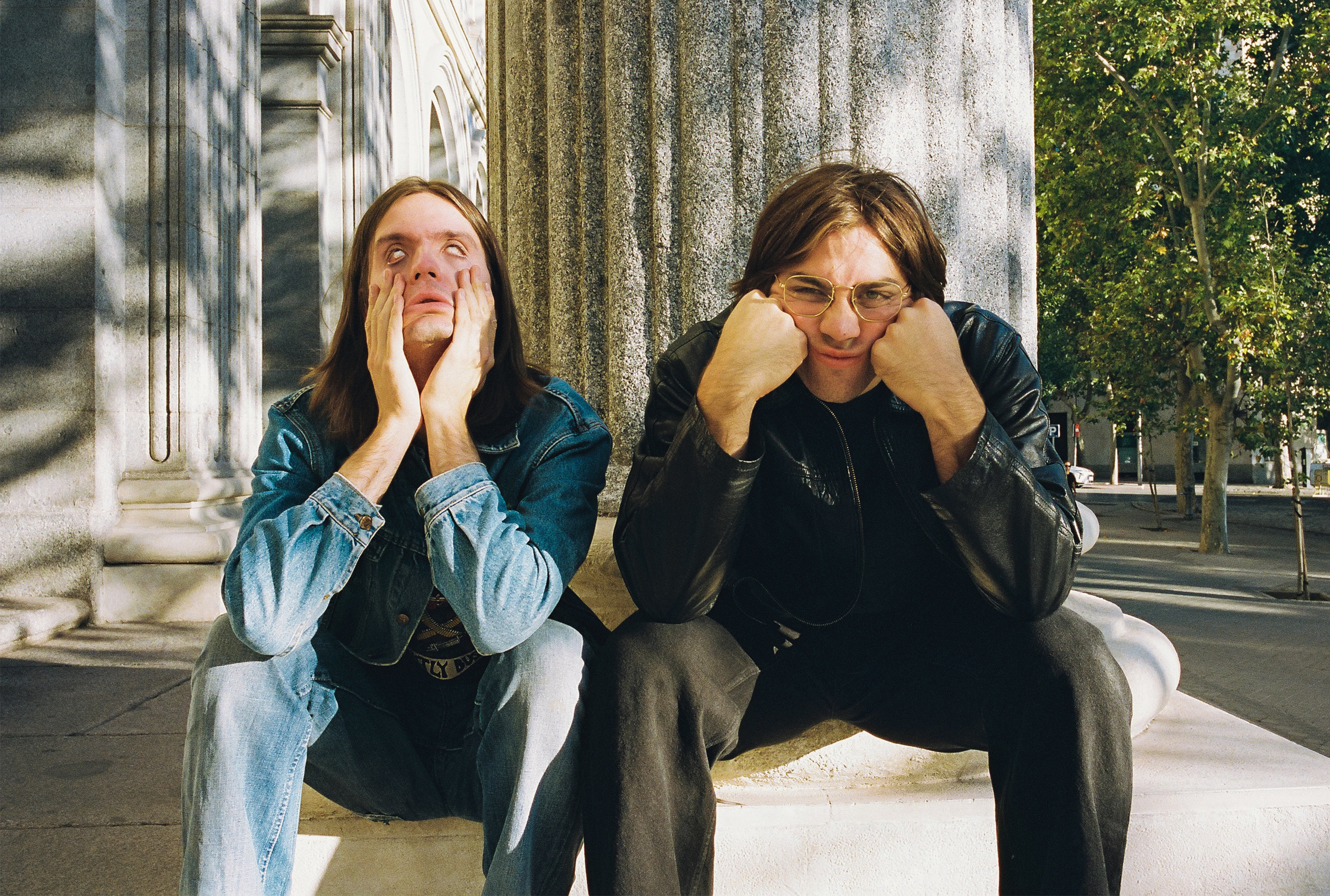
Hay bandas que tardan años en encontrar su identidad, y otras como Cora Yako, cuyo nuevo disco, Mil Pequeños Cortes, transmite la sensación de ser el resultado natural de una amistad y un proyecto musical que llevan toda una vida construyéndose.
Formada por Carlos Senacheribbo y Luis de Oleza, la historia del grupo comenzó mucho antes de que existiera la banda. Ambos se conocieron siendo niños en el colegio, en Mallorca, donde empezaron a tocar la guitarra casi al mismo tiempo y a imaginar cómo sería formar un grupo. En 2018, ya instalados en Madrid, conocieron a los músicos que completarían la formación en directo – Dani Treviño, Pablo Fernández e Igo San Martín – y nació oficialmente Cora Yako.
El nombre del grupo procede de la obra de teatro Prohibido Suicidarse en Primavera, donde Cora Yako es una cantante de ópera japonesa que intenta relanzar su carrera musical. Una referencia poco habitual que refleja el gusto de la banda por las historias con personalidad.
Aunque pueda sorprender, Cora Yako es la primera banda de todos sus integrantes. Sin embargo, su forma de componer transmite una naturalidad que parece fruto de muchos años de experiencia. Carlos y Luis son los principales compositores, pero no siguen una fórmula fija: algunas canciones nacen de una base instrumental, otras empiezan con una letra y toman forma en el local de ensayo, y en ocasiones surgen directamente tocando con toda la banda. Cada tema encuentra su propio camino.
Esa libertad creativa queda reflejada en Mil Pequeños Cortes, un trabajo del que el grupo se siente especialmente orgulloso y que consideran el disco que mejor representa quiénes son en este momento. A lo largo del álbum conviven letras directas, canciones de amor, guitarras heredadas del rock de los años 2000 y una sensibilidad pop que une todas las piezas con naturalidad.
Las influencias de Cora Yako son tan variadas como su sonido. Entre sus referentes aparecen Bloc Party, The Strokes, Arctic Monkeys y The Smashing Pumpkins, pero también nombres como Andrés Calamaro, el pop comercial de principios de los 2000 e incluso el thrash metal de los años 80. Una mezcla poco convencional que da como resultado una propuesta con identidad propia.

Si hay un momento que define su 2026, ese fue el concierto del 27 de marzo en el Teatro Eslava de Madrid. Más allá del aforo, lo verdaderamente especial fue escuchar a todo el público cantar cada una de las canciones del repertorio. Una experiencia que la banda recuerda como el mejor concierto de su trayectoria hasta la fecha.
El futuro inmediato está claro: recorrer España durante todo 2026 y, probablemente, buena parte de 2027. No hacen grandes promesas ni planes excesivamente ambiciosos; su objetivo es sencillo y honesto: seguir tocando, seguir componiendo y continuar creciendo canción a canción.
Aunque sus raíces conectan Mallorca, Madrid y Granada, el grupo destaca el buen momento que vive la escena madrileña de guitarras. La oferta de conciertos es inmensa y existe una comunidad muy activa alrededor de la música en directo. Eso sí, reconocen que el apoyo resulta mucho más evidente en las grandes ciudades y que, cuanto más uno se aleja de esos núcleos urbanos, mayores son las dificultades para las bandas emergentes.
Entre los nombres que recomiendan seguir de cerca figuran Diamante Negro y Nepal Nepal, dos proyectos que, al igual que Cora Yako, representan el presente y el futuro del panorama alternativo nacional.
Con Mil Pequeños Cortes, Cora Yako demuestra que la honestidad sigue siendo una de las mejores herramientas para conectar con el público. Y si el concierto del Teatro Eslava sirve como referencia, todo apunta a que la historia de la banda no ha hecho más que empezar.

