
Still tuned to instinct, still listening, still moving forward
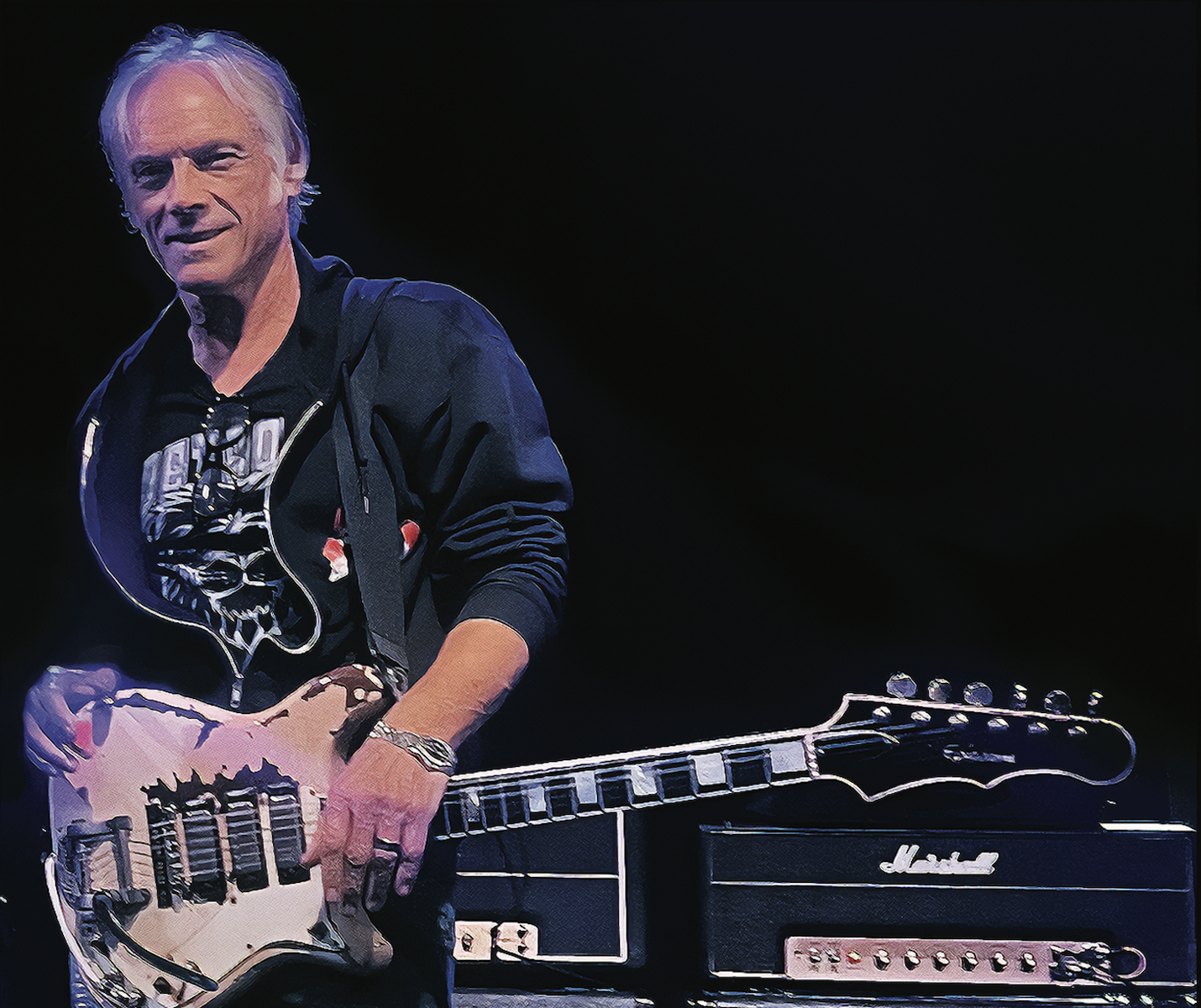
There are artists whose stories have already been told so many times they risk becoming fixed in place. Deniz Tek has never quite allowed that to happen.
Best known as a founding member of Radio Birdman, Tek’s place in rock history is secure, but it has never been the whole picture. Alongside decades of records and touring, his life has moved through emergency rooms, aviation, and, more recently, coffee farming in Hawaii. Parallel tracks, none of them ornamental, all of them active. His new album The Beat, built around rediscovered sessions with the late Ric Parnell, feels like a continuation of that mindset. Less a retrospective statement than a working method: responding to what’s in front of him, following rhythm rather than imposing it.
But the more interesting question is not where Tek comes from. It’s where his attention is now. What does he listen to? What still convinces him? How does a life split between music, flying, medicine and manual work shape the way he thinks about songs? And what, if anything, is left to aim for?
We spoke with him about all of that: keeping things firmly in the present.
What are you actually listening to right now, day to day? If you had to name five newer or younger artists, who would they be, and what do you hear in each of them that keeps you coming back?
Deniz Tek:
This past week I’ve had the following on my turntable:
Muddy Waters
Little Walter
Lucinda Williams
Garland Jeffries
Captain Beefheart and the Magic Band
The Shadows
Tracy Chapman
The Ramones (because it was the 50th anniversary of their first album release)
I mostly listen to music from the fifties through the seventies. I don’t have a Spotify account. I do listen to digital radio. Not wanting to sound like a bitter old man, but the wellsprings of punk, garage, and hip hop have long since run dry. I don’t like reggaeton. If there is a new wonderful genre out there, please let me know.
Meanwhile, here’s a partial list of new or currently working artists that I like:
King Stingray (guitars, drums and didgeridu from the Northern Territory)
Len Price 3 (nice vocal harmony, and he gets a great tone out of that Epiphone Casino)
The Courettes (maximum energy)
Bee Bee Sea (good songwriting, and they make socks)
Ünlü (interesting blend of Anatolian folk music and western instruments)
Christone Ingram (awesome guitar and good songs, especially “Truth”)
When something new really clicks with you, what is it that you respond to first?
Deniz Tek:
I respond to the songwriting first. It has to be original. Second most important, the feel. Attitude can get tedious, especially if the artist sounds like they are trying too hard. Sound quality is less important.
You’ve lived in some pretty intense environments: hospitals, aviation, touring. Do you feel those experiences have shaped the way you approach music?
Deniz Tek:
Living in real life informs the art. It’s essential to have raw experiences with real people. That’s why most successful bands have two or three good albums, while they can still relate to real life. Then they run out of ideas because their new life is all five star hotels, first class travel, mountains of cocaine, and the subsequent albums are trash or done to a marketing formula.
Having a well paying job that provides human contact is ideal because it gives you material for art. At the same time it frees you from the business side of music. You never have to compromise the music to make a buck. When I’m asked by young musicians for advice, I tell them: get a job.
Flying is such a particular kind of focus. Does that way of thinking carry over into music?
Deniz Tek:
Aviation is simply something I enjoy. Of course, in flying and in music, having an inner sense of rhythm and good timing is essential. Both activities are intuitive and right-brain heavy.
Your life now also includes something completely different, like working with coffee. What does that give you?
Deniz Tek:
Coffee work is difficult and the payback is small, except for the satisfaction of making a great product. It would be nice to say that the tedious work enhances the music for me like it did for early country blues players, but I don’t think there is any truth in that.
When you sit down to write or record now, what does it feel like?
Deniz Tek:
It feels like waiting around, until you get hit by lightning. Songs come from somewhere, usually when you don’t expect it. You might be tuning your guitar or improvising. You can’t force a good idea. When it comes, it’s effortless. If you’re lucky, you catch it before it disappears.
You still spend a lot of time on the road. What do you enjoy most about touring now?
Deniz Tek:
Playing. Something unexpected always happens. I often surprise myself. “I played that? Wow.” I also enjoy meeting people from different places. When we’re in Europe or Japan, the food is amazing.
Do you still feel like you’re chasing something?
Deniz Tek:
I want to become conversationally fluent in French. And I would like to learn how to play the piano.
If you had your own radio show, what would it sound like?
Deniz Tek:
I would only play records that I personally like, and I would focus on the obscure. It’s fun to introduce people to things they might not otherwise hear. I’ve done a few guest DJ sets on an Australian program called Yassville Skyline. I took inspiration from Bob Dylan’s radio show.
Is there one track on The Beat that feels closer to you than the others?
Deniz Tek:
Kua Bay. It’s catchy, and I love surf instrumentals. I never listen to my own albums for a few years after they are finished, but when I do, I’ll probably hear that one and think, “That’s pretty good.”
Imagine a biopic about your life: who directs it, and who plays you?
Deniz Tek:
Clint Eastwood.
Kevin Bacon.
What still surprises you?
Deniz Tek:
I am routinely surprised and fascinated by the infinite complexity and scale of the Universe, and by how little we know even about our tiny bit of it.
Article: Nico C.

