


Some cities explain themselves through postcards.
Southern Italy sells you sun and sea and postcards you can hold in your hand.
Milan doesn’t. Milan murmurs itself like wet cold weather into your bones, through nights, through noise, through movement that never stops.
I moved here for work. For meetings and deadlines and hotel-room espresso.
I never expected to understand this city on a tram that feels hijacked by sound itself.
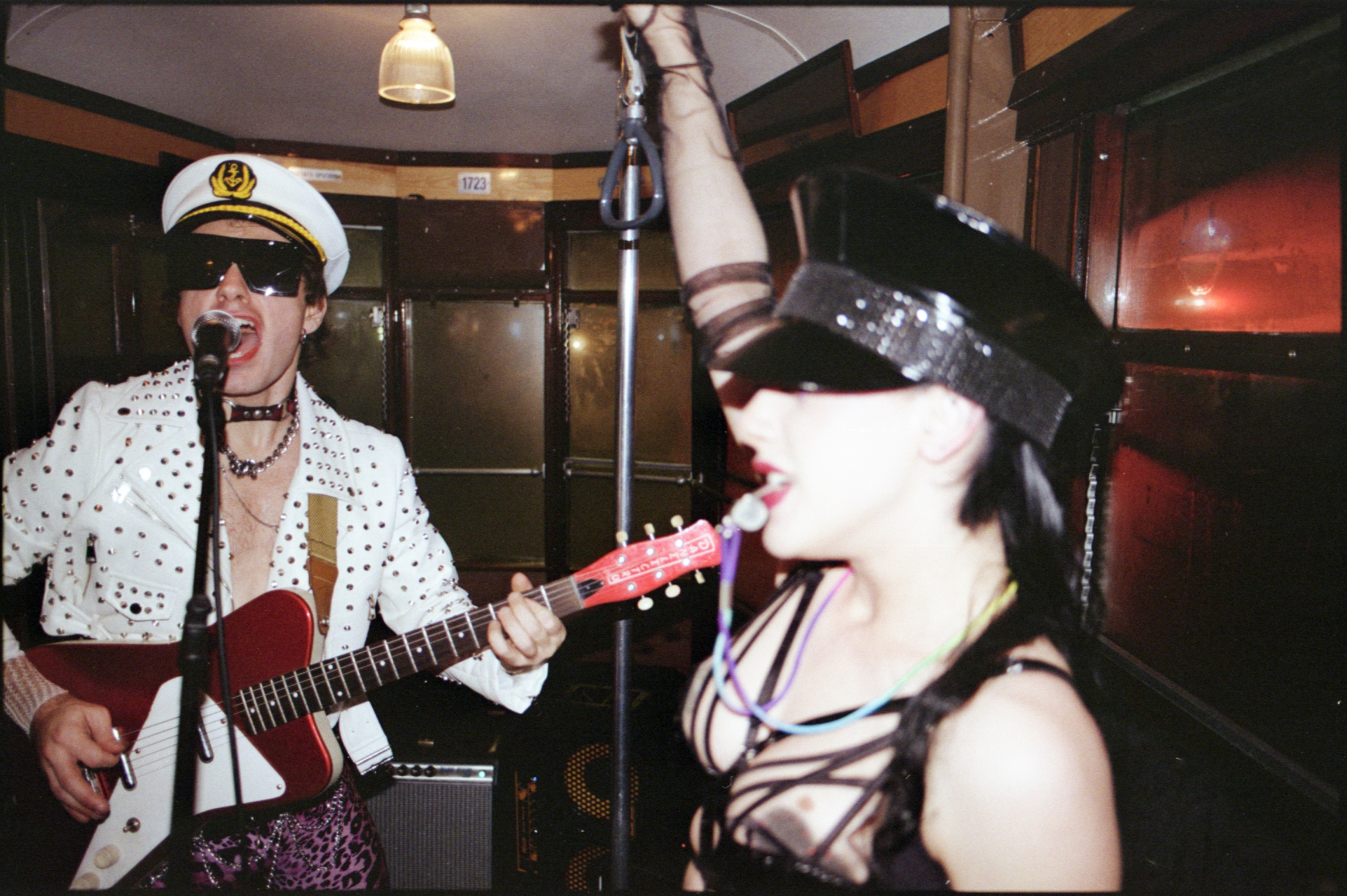
Tuesday night: an old orange tram, rattling through Milan like a heartbeat on crack.
Feedback bouncing off metal walls.
Amplifiers grinning at each other like junkyard dogs.
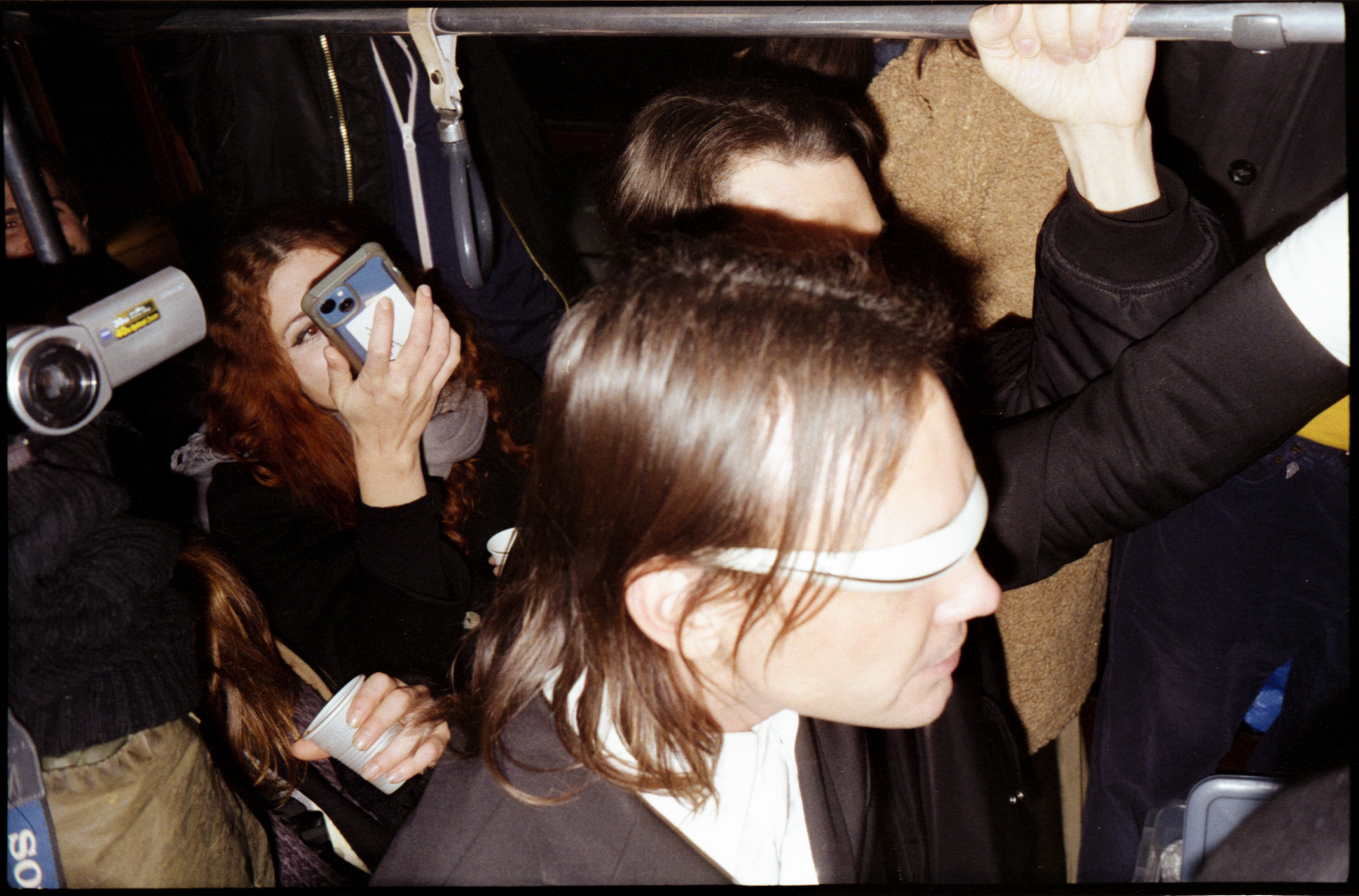
Strangers piled shoulder to shoulder.
Shots of limoncello passed again and again, like a ritual nobody explained but everybody suddenly knew.
They said it was a release party for Bite Me, the debut album by Manduria.
I didn’t know if it was legal. No permit, no front-of-house, no barrier between stage and audience. Just the hum of electric rails and bodies pressed too close to breathing.
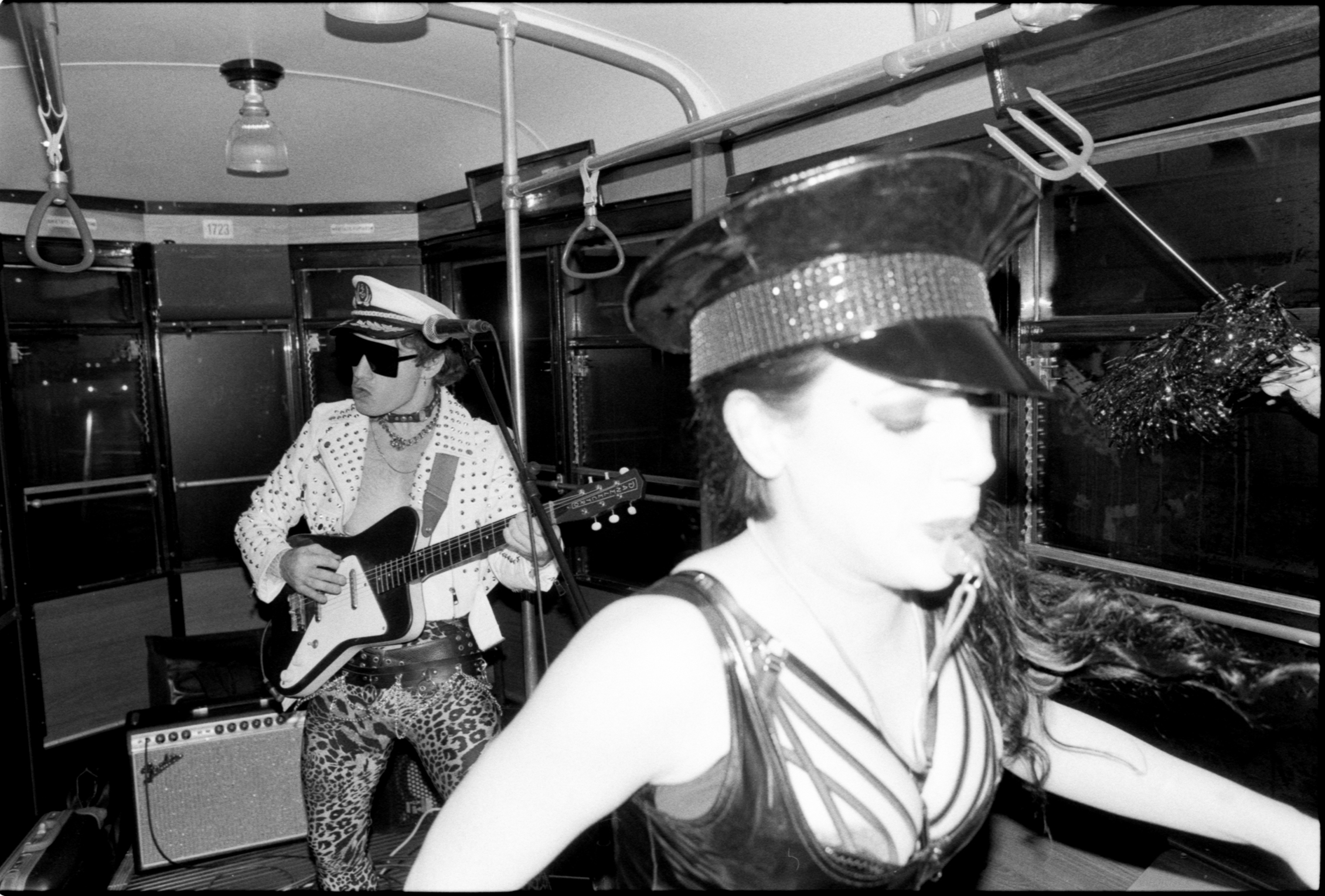
Manduria stood in the center like the eye of a storm: one man, a guitar snarling through a loop station, and three amps cranked past “healthy decibels”. He built songs by layering repetition until the noise didn’t feel like noise anymore, it felt like pulse, like intention, like gravity.


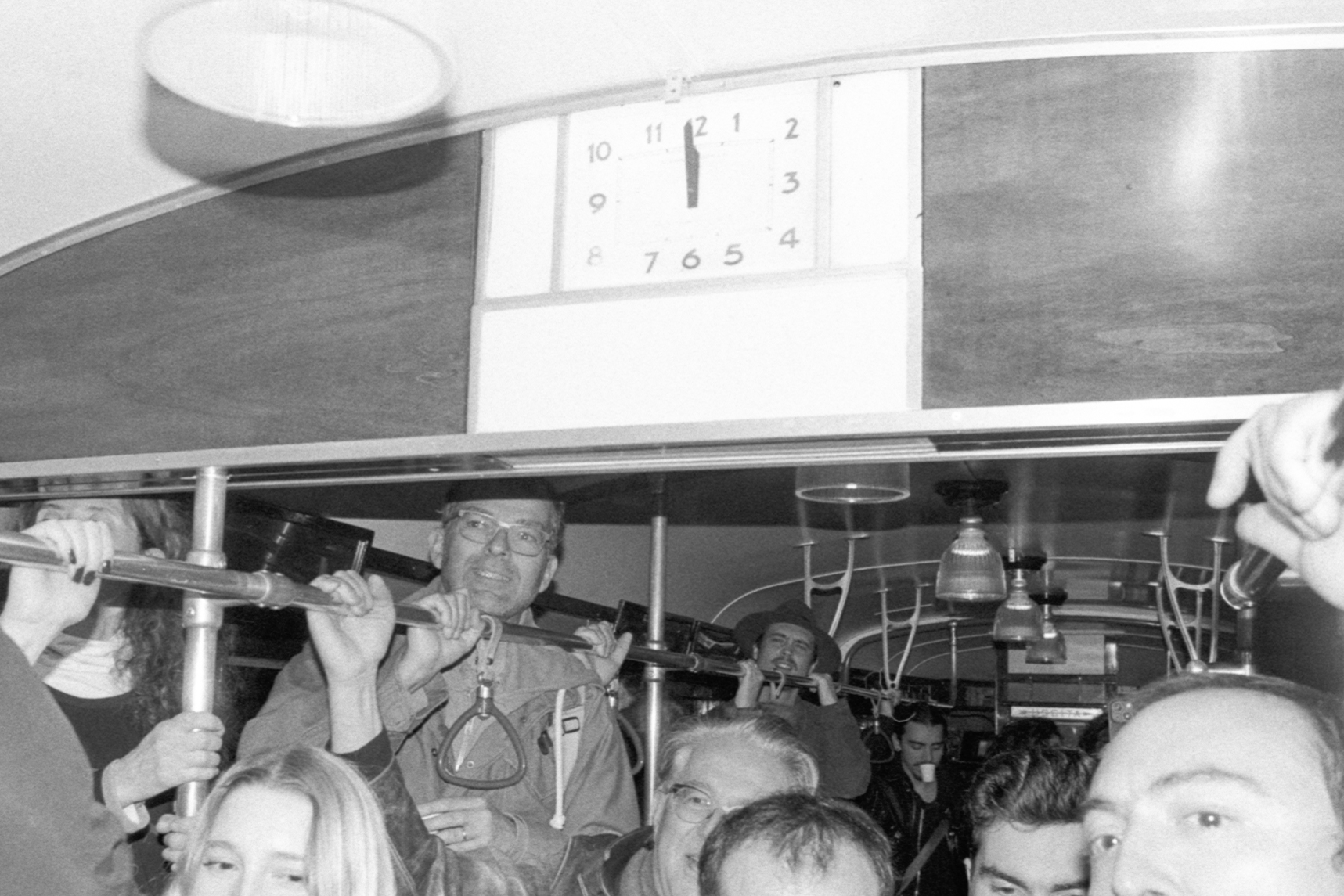

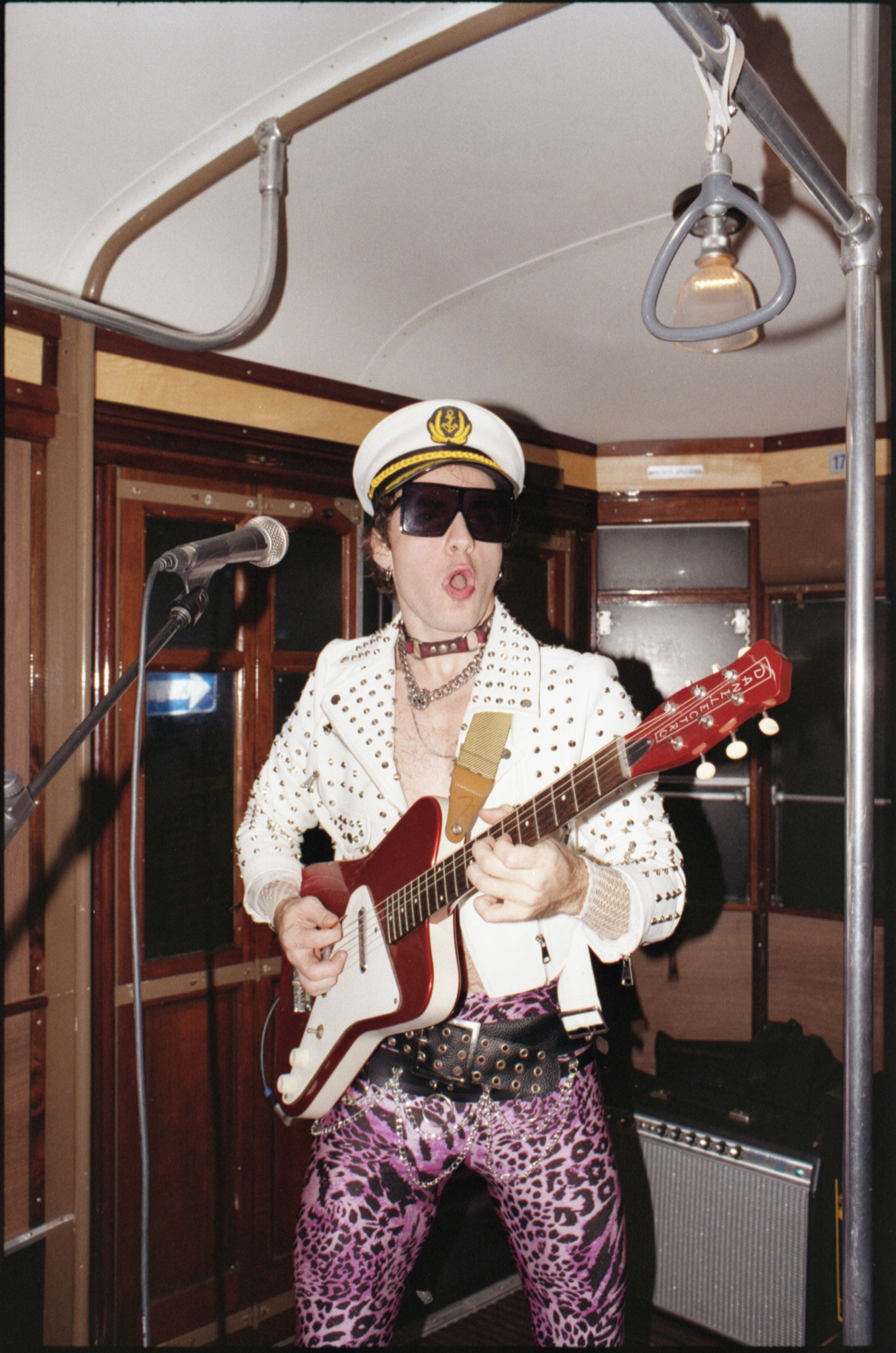
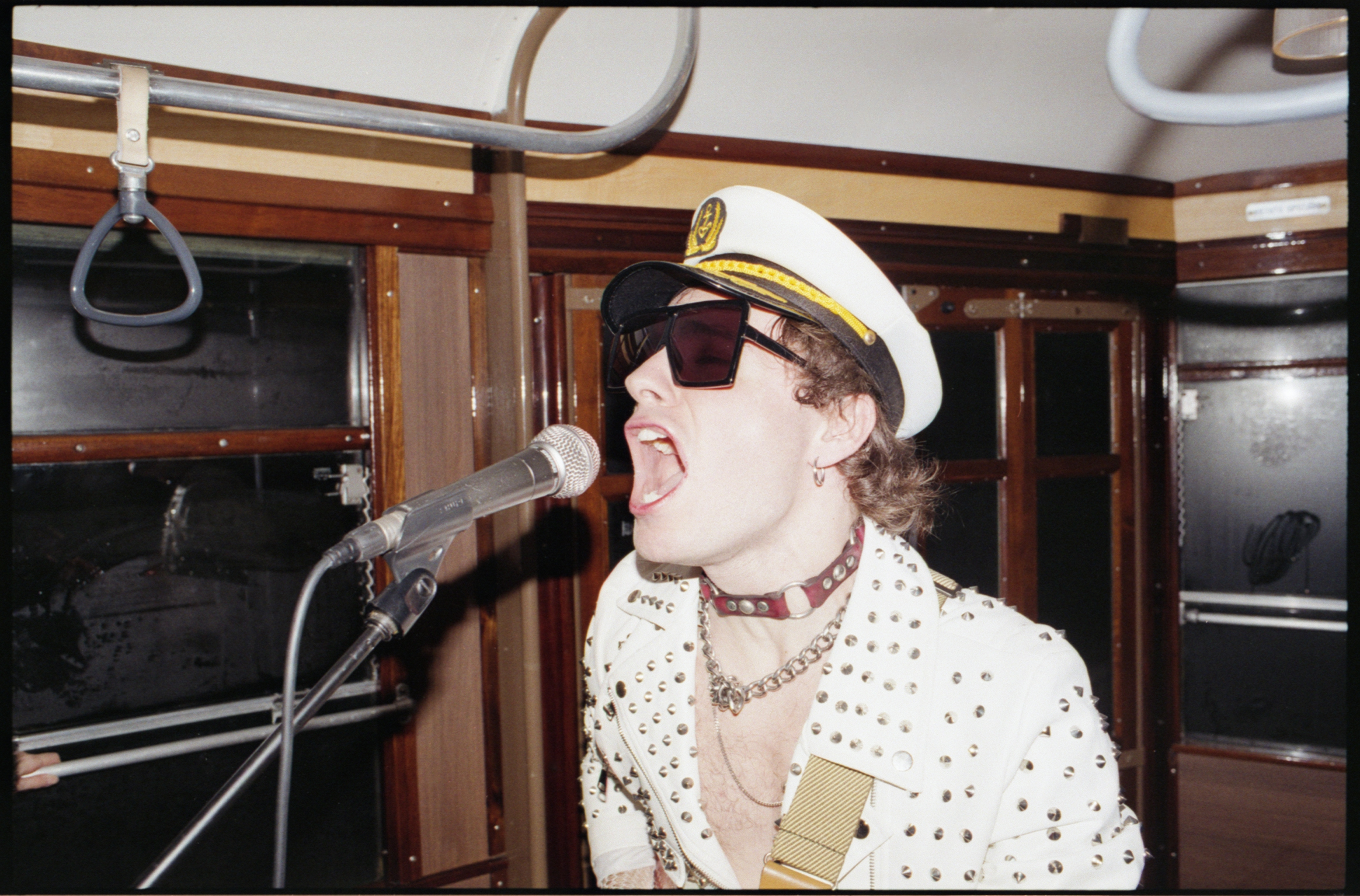
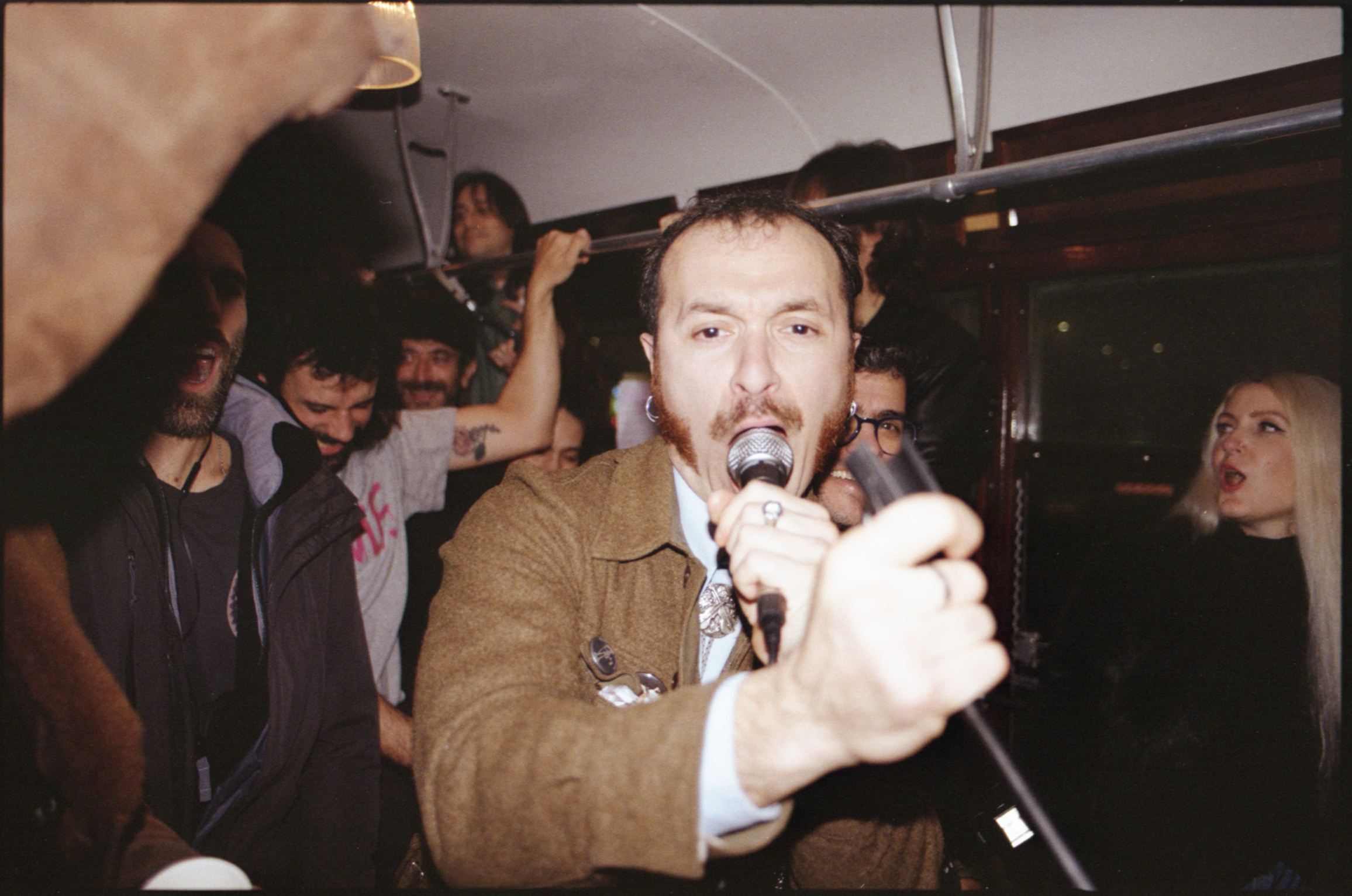
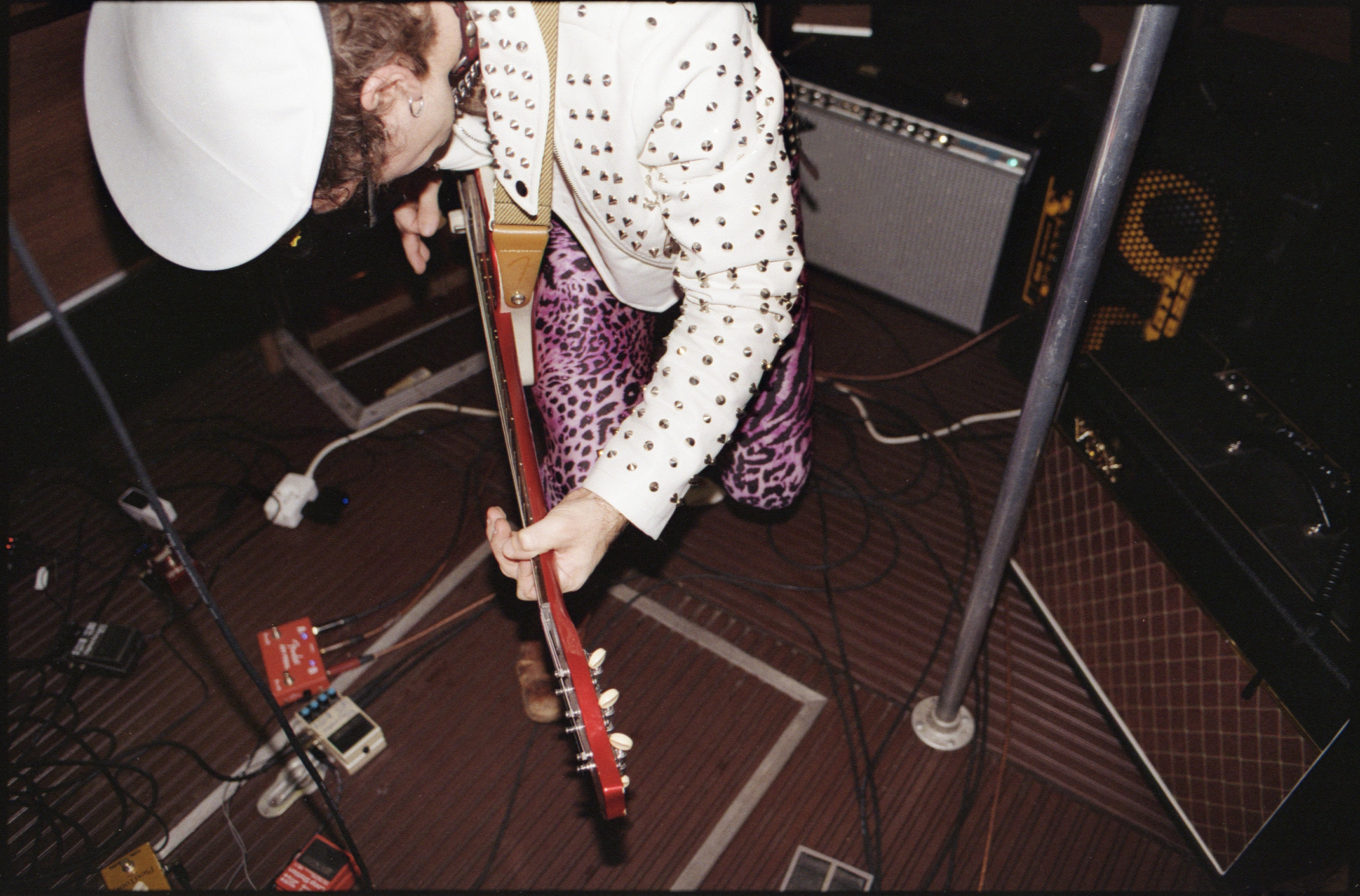
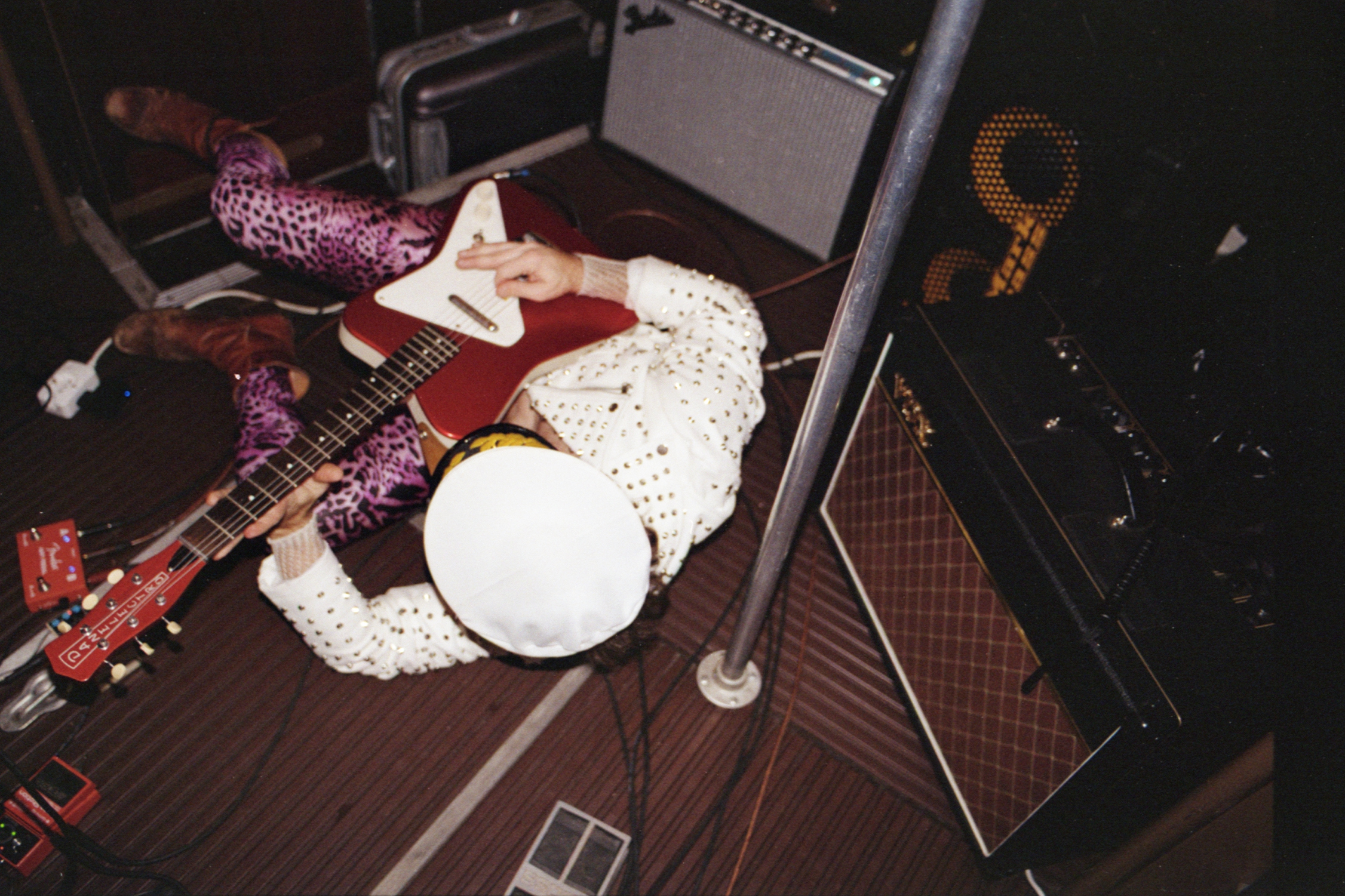

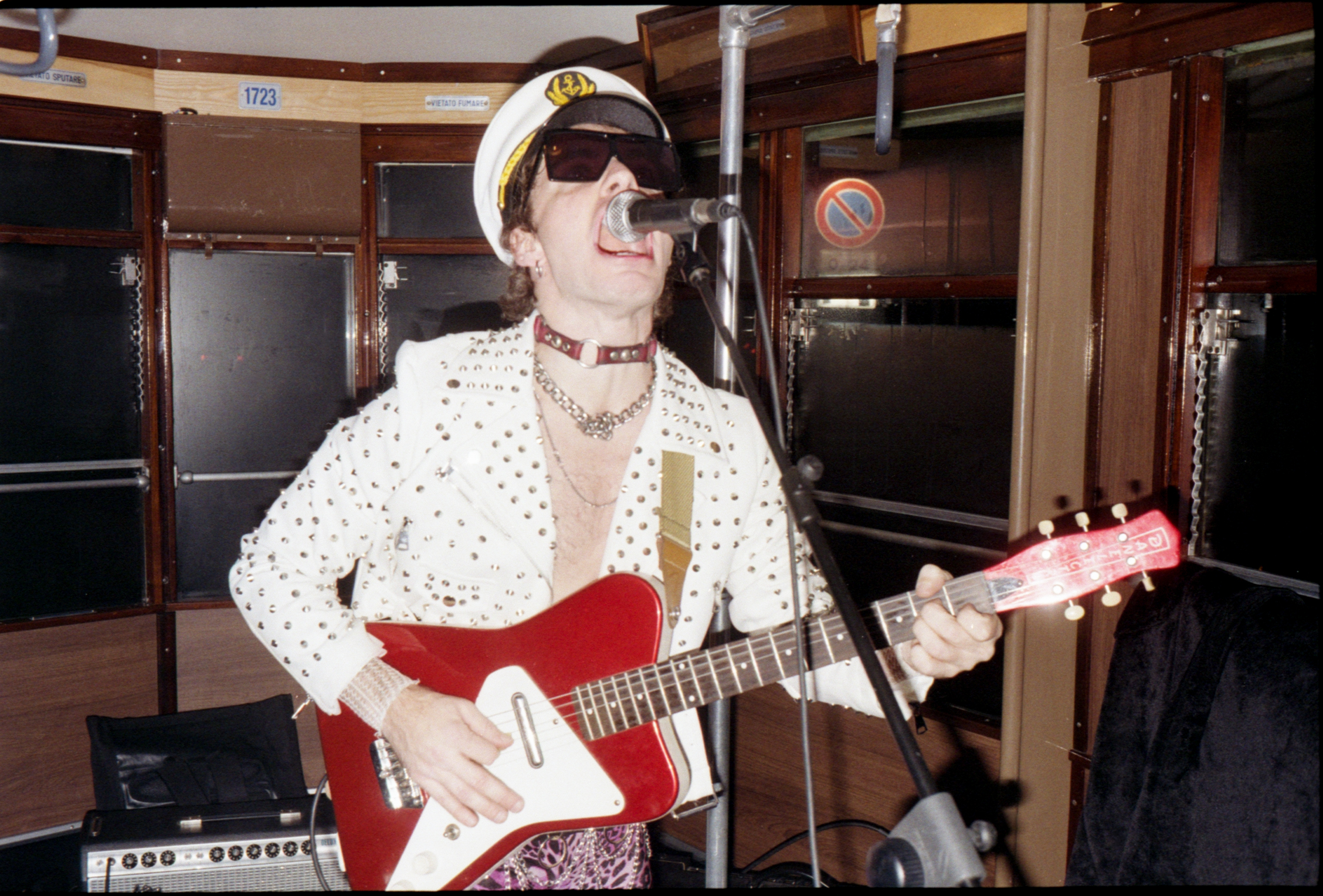

There was no setlist.
Just loops, build-ups, breakdowns, feedback shrieks that became chants.
At the first stop: half the tram spilled out, new bodies tumbled in.
The crowd inside the tram didn’t look like a crowd at all.
It looked like a temporary alliance.
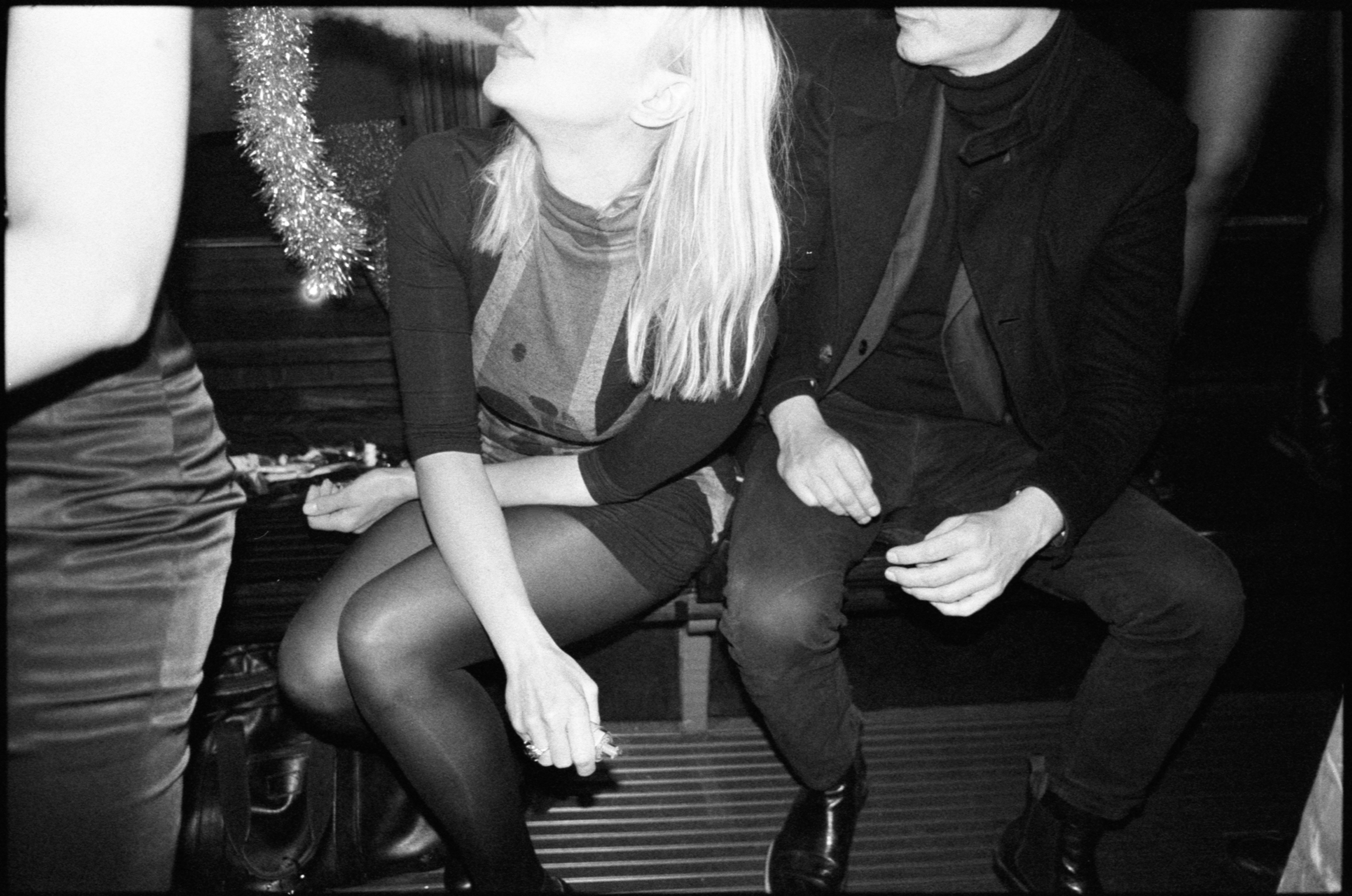
Wrecked Milanese models still wearing last night’s eyeliner, mascara melted into something closer to war paint. Young rockers in torn jackets and ruined Converse, Art students with sketchbooks stuffed into backpacks, eyes wide open, trying to memorize everything at once before it vanished.
Then there were the old night wolves of the Milan underground. You could spot them instantly. Still standing. Still sharp. Faces carved by decades of smoke, volume, and nights that never quite ended. People who’ve seen scenes rise, mutate, get crushed, and crawl back again. Veterans of social centers that are slowly disappearing, shut down or sanitized, carrying that history in their posture.
Nobody looked surprised to be sharing space.
Nobody asked questions.
At every stop, the mix shifted. A few people vanished into the night, others jumped on like they’d been waiting all evening for this exact tram. The city kept feeding it bodies.
Inside, the air grew heavier. Sweat, sugar from the candy, alcohol, electricity. Outside, Milan kept pretending nothing was happening. Inside, it felt like a small, moving archive of everything the city tries to hide or forget.
At the second stop: someone popped a firecracker — BANG — right at the intersection, like punctuation, like a dare.
At the third stop: more bodies, more voices, more limoncello shouts.
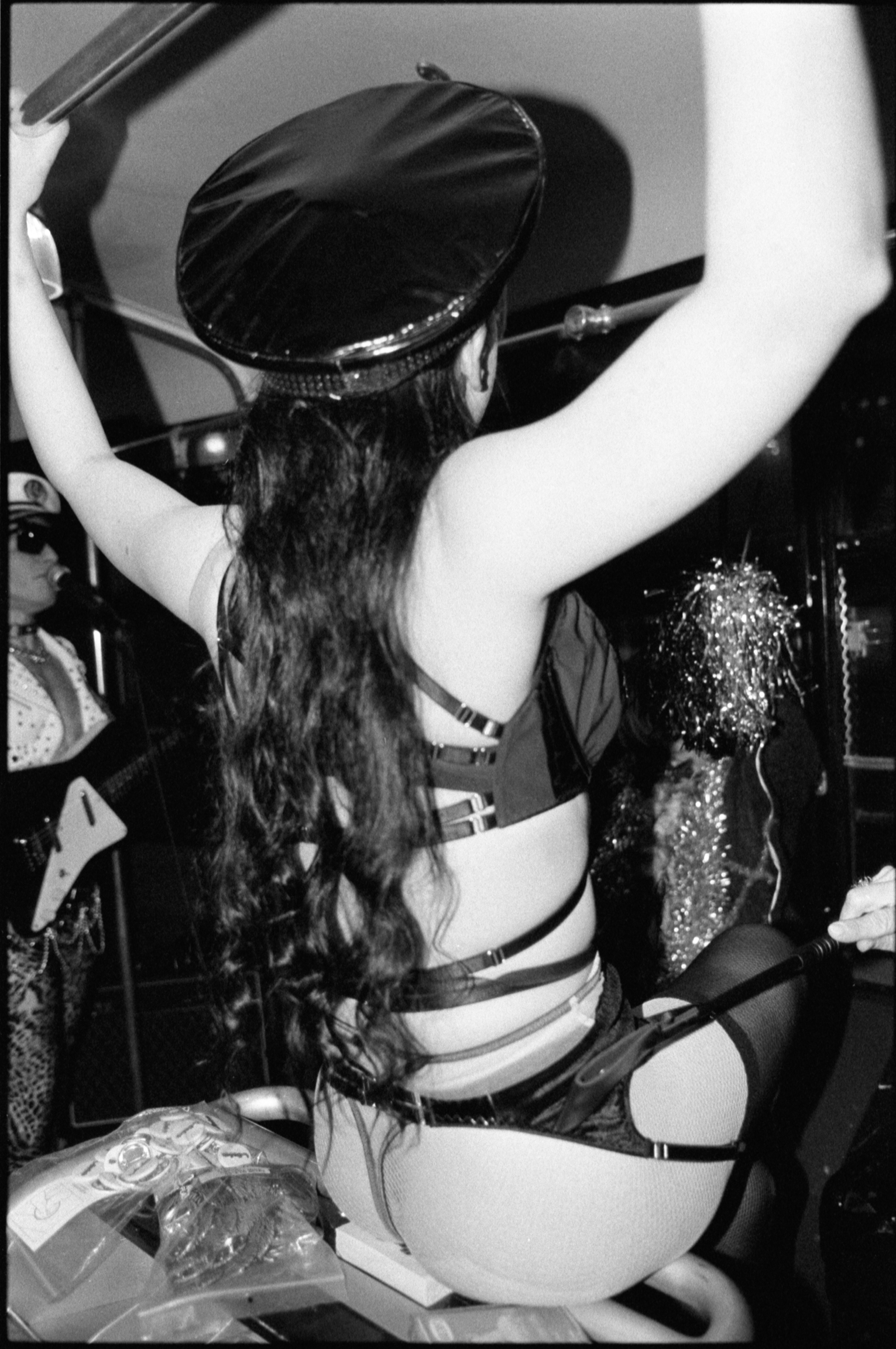
Through it all moved a ballerina who was also the ticket controller, a surreal, fluid figure weaving between cables and limbs, checking passes with a pirouette, dancing as if the whole thing was a performance before it was a commute.
No one stood still.
Feet tapped, fists pumped, voices crackled over the music like static confessionals. People leaned out the windows, yelling at the city:
We are here. Hear us. We are noise.
Some guy kept offering shots like it was part of the setlist: “Limoncello? Limoncello? Limoncello?”
And at every corner, outside on the street, little explosions: firecrackers, petards, went off like a broken metronome keeping time with the tram’s rattle.
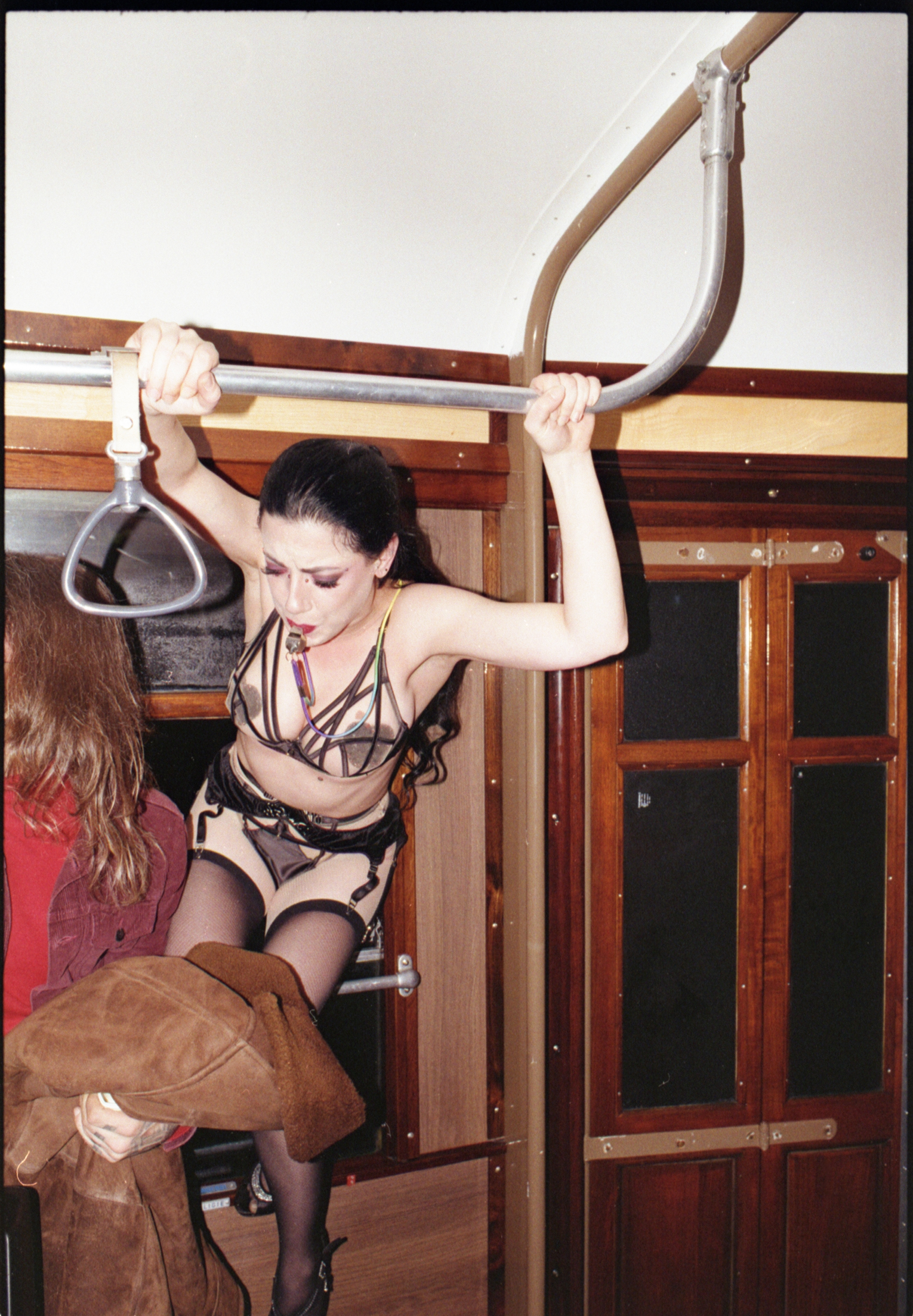
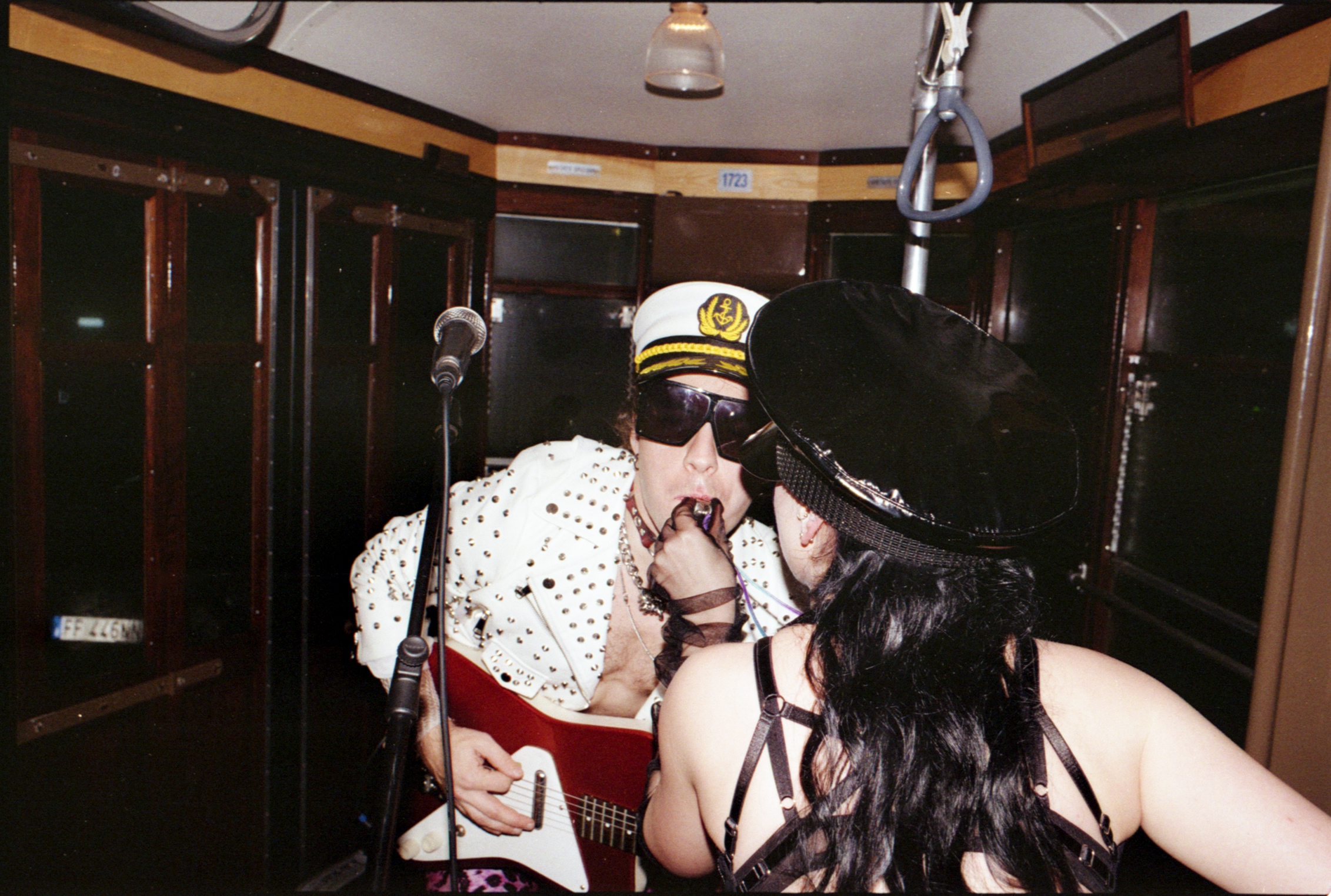
This was a moving ritual, a noisy, drunk, vibrating pilgrimage.
Manduria isn’t just a one-man band.
He’s a sonic provocateur, a loop-junkie, a rhythm sorcerer. And Milan’s ROK underground isn’t a tidy scene with rules and flyers and schedules. It’s a network of bodies in motion, a swarm where garage guitars, noise loops, DJ sets in half-abandoned buildings, basement shows that start too late and end too early all feed each other’s electrical storm.
Bands like Bee Bee Sea run in the same circuit: different faces, same hunger: turn the city’s pressure into volume and motion before it crushes you. It’s fuzz, grit, groove, sweat, and moments that hit you somewhere below thought.
Bite Me, Manduria’s first full-length, sold on the tram, feels exactly like that tram ride. It doesn’t unfold graciously. It loops, insists, gnaws at your ears and refuses to let go. Every track feels summoned: built from repetition until distortion becomes shape, until the music stops being sound and starts being feeling.
Later, when I listened to the album on headphones, I could still hear the tram rails in the rhythm. I could almost see the faces pressed against windows, the flashes of streetlights, the shouts, the petards, like ambient noise embedded into the DNA of the record.
The ride sold out days ahead, and when the tram finally stopped, the night didn’t end. People spilled into the afterparty like electricity leaking out of a live wire, still buzzing, still loud, still moving.
Bite Me is out now on Wild Honey Records, on vinyl and digital platforms. But it doesn’t feel like a static record. It feels like a moving object, like something you don’t just listen to, something you step into.
Some cities give you postcards.
Milan makes you earn its language in noise.
And sometimes, that language comes screeching on steel wheels.
Article: Nico C.
Photos: Axel Babini @axelbabini
 Heatwave Magazine